How Often Should You Get Your Office Professionally Cleaned
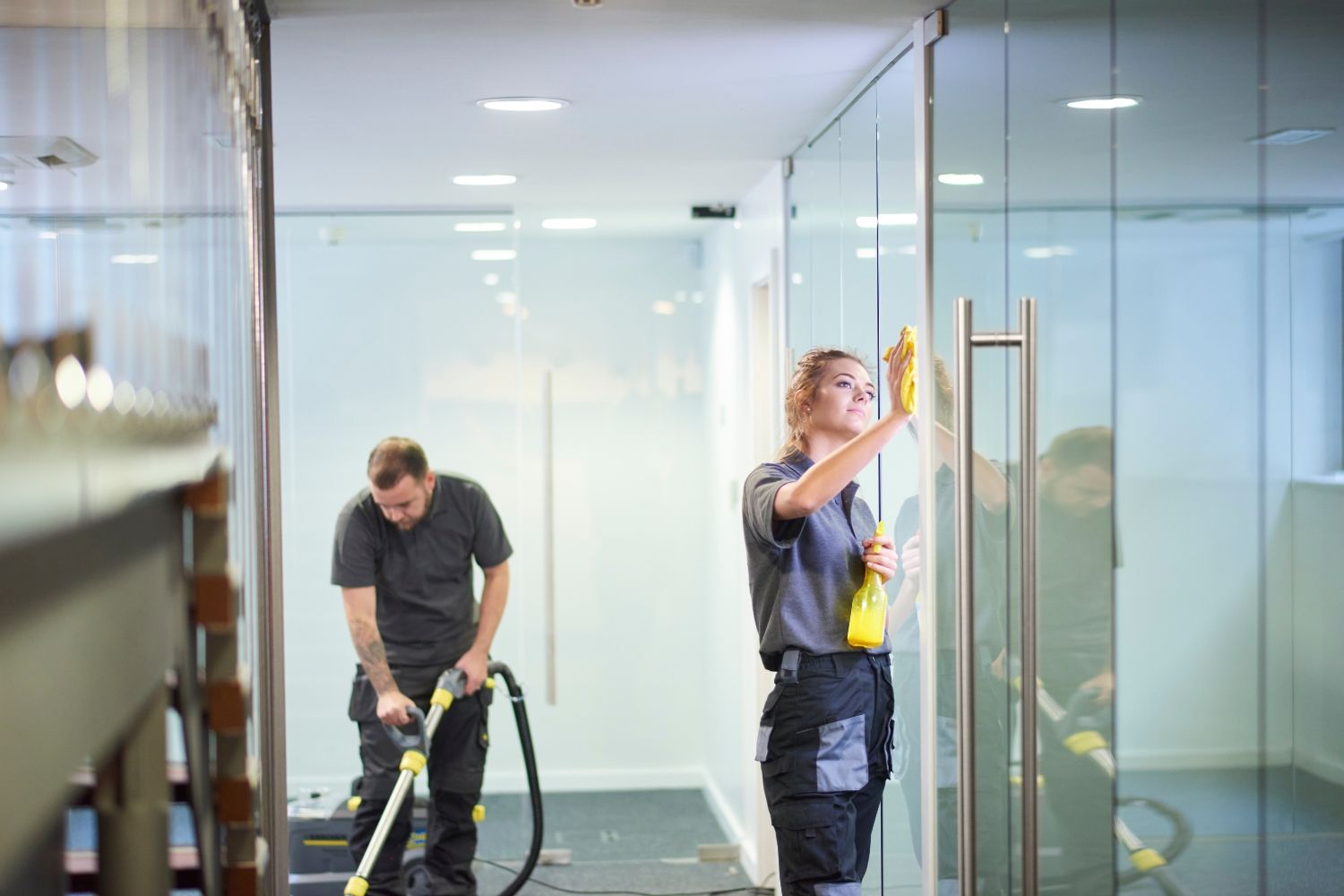
A clean office affects more than appearances. It shapes how staff feel about coming to work, how visitors judge your business in the first thirty seconds, and how many sick days your team takes over a year. Yet a surprising number of businesses set their cleaning schedule once, when they first move in, and never revisit it as the office grows or changes. The right frequency depends on a handful of practical factors, not a fixed rule that applies to every business the same way.
What actually determines cleaning frequency
The biggest factor is foot traffic. An office with fifty staff and a steady stream of client visits accumulates dust, marks and rubbish far faster than a quiet ten person studio. Shared facilities matter too. Kitchens, bathrooms and meeting rooms used by multiple teams need more attention than private offices used by one or two people. Industry also plays a role. A medical or allied health office has hygiene obligations that go well beyond a standard commercial space, while a warehouse style office with an open floor plan collects dust differently to a carpeted, air conditioned suite.
Building type matters as well. Older buildings with worn carpet or ageing air conditioning tend to show dust and allergens more quickly than newer fitouts. If your office sits near a construction site, a busy road or an area with a lot of foot traffic outside, that also increases how often floors and entry areas need attention.
General frequency guidelines
As a starting point, most Sydney offices fall into one of three patterns.
- Daily cleaning suits larger offices, client facing spaces, and any workplace with shared kitchens or bathrooms used by more than a handful of people.
- Several times a week works for small to medium offices with moderate foot traffic, where a full daily service is not necessary but a few days without attention starts to show.
- Weekly cleaning can suit very small offices or teams that work from the space only part of the week, provided bins are managed and spills are wiped up as they happen.
These are starting points rather than fixed answers. The only reliable way to land on the right frequency is to look at your specific space and adjust from there.
Signs your current schedule is not enough
A few signs tend to show up before anyone says anything out loud. Persistent odours in kitchens or bathrooms, dust visible on desks and skirting boards within a day or two of a clean, overflowing bins before the next scheduled visit, and an increase in staff comments about the state of shared spaces are all signals that the current frequency has fallen behind the way the office is actually used. Sick days are a less obvious but real indicator too. Shared surfaces such as door handles, kitchen benches and shared equipment are common places for germs to spread, and more frequent office cleaning that includes sanitisation of high touch areas can make a measurable difference over a few months.
Regular cleaning versus periodic deep cleans
Most offices benefit from combining a regular cleaning schedule with an occasional deeper clean. Day to day cleaning covers floors, bins, kitchens, bathrooms and general tidiness. A deep clean goes further, covering areas that do not need attention every visit, such as carpet steam cleaning, detailed dusting behind furniture, and window interiors. Booking a deep clean once or twice a year alongside your regular schedule keeps the parts of the office that are easy to overlook from slowly building up over time.
How to decide what is right for your office
Rather than guessing, it helps to walk through a short checklist:
- How many people use the space each day, including visitors?
- Are there shared kitchens, bathrooms or meeting rooms used by more than one team?
- Does your industry have specific hygiene expectations, such as healthcare, allied health or client facing services?
- Have staff raised concerns about cleanliness in the past few months?
- Is the office in an older building, near construction, or in a high traffic area?
If the answer to several of these is yes, it is worth increasing frequency or at least trialling a higher frequency for a month to see the difference. If your office is small, quiet and easy to keep tidy day to day, a lighter schedule paired with an occasional deep clean is often enough.
Getting the schedule right from the start
The easiest way to land on the right frequency is to have a cleaning provider look at the space directly rather than choosing a plan off a generic list. At Sydney Commercial Clean, we assess the size, layout and use of each office before recommending a schedule, and we are happy to adjust that schedule at any time as your team or space changes. If you are not sure whether your current cleaning frequency is enough, get in touch for a free quote and we will help you work out a plan that fits.
Need office cleaning in Sydney?
Get a free, no-obligation quote from Sydney Commercial Clean today.